

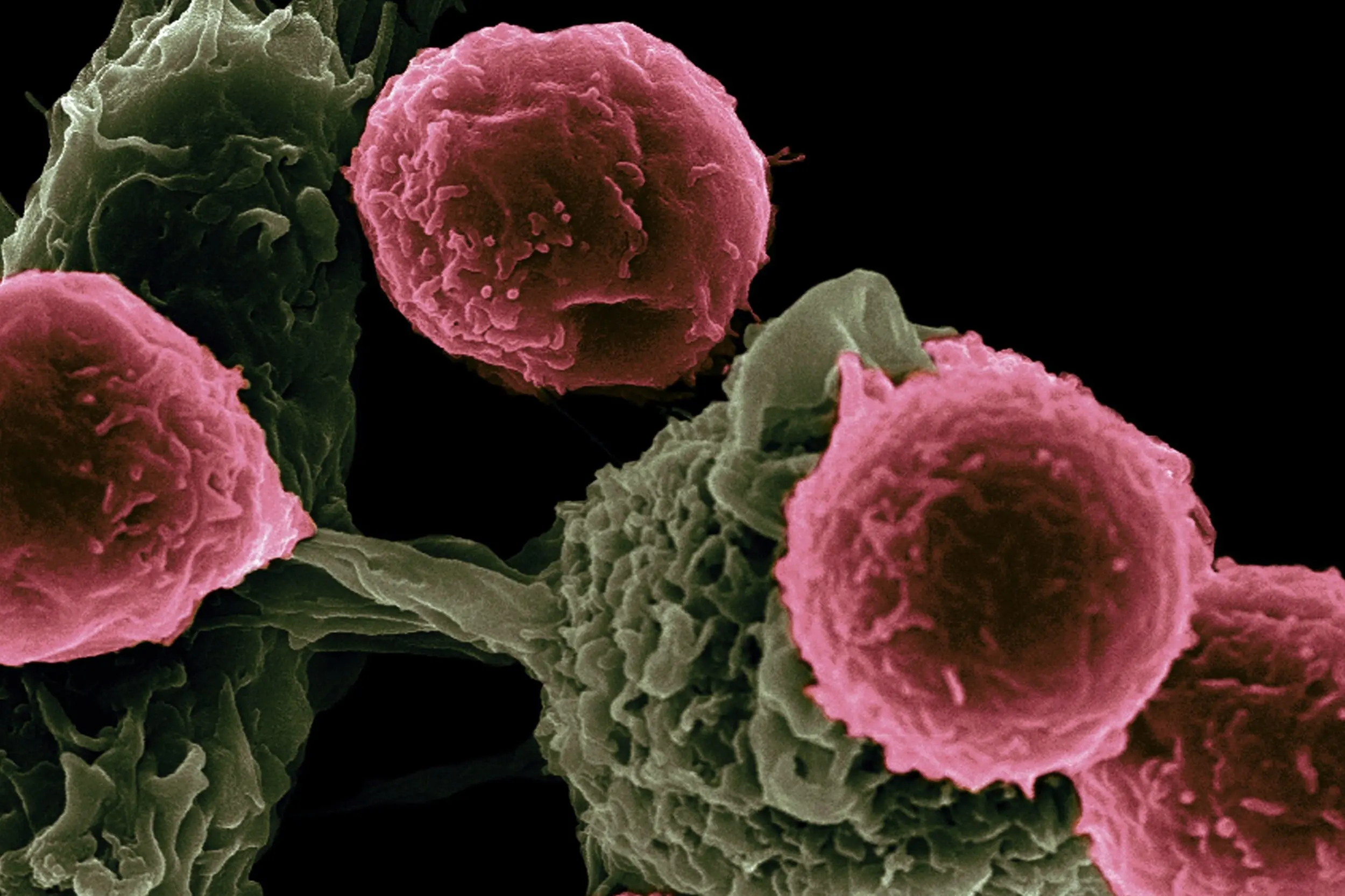
Cancer exacts a steep social and economic toll, especially as an aging world population creates increased cancer rates.
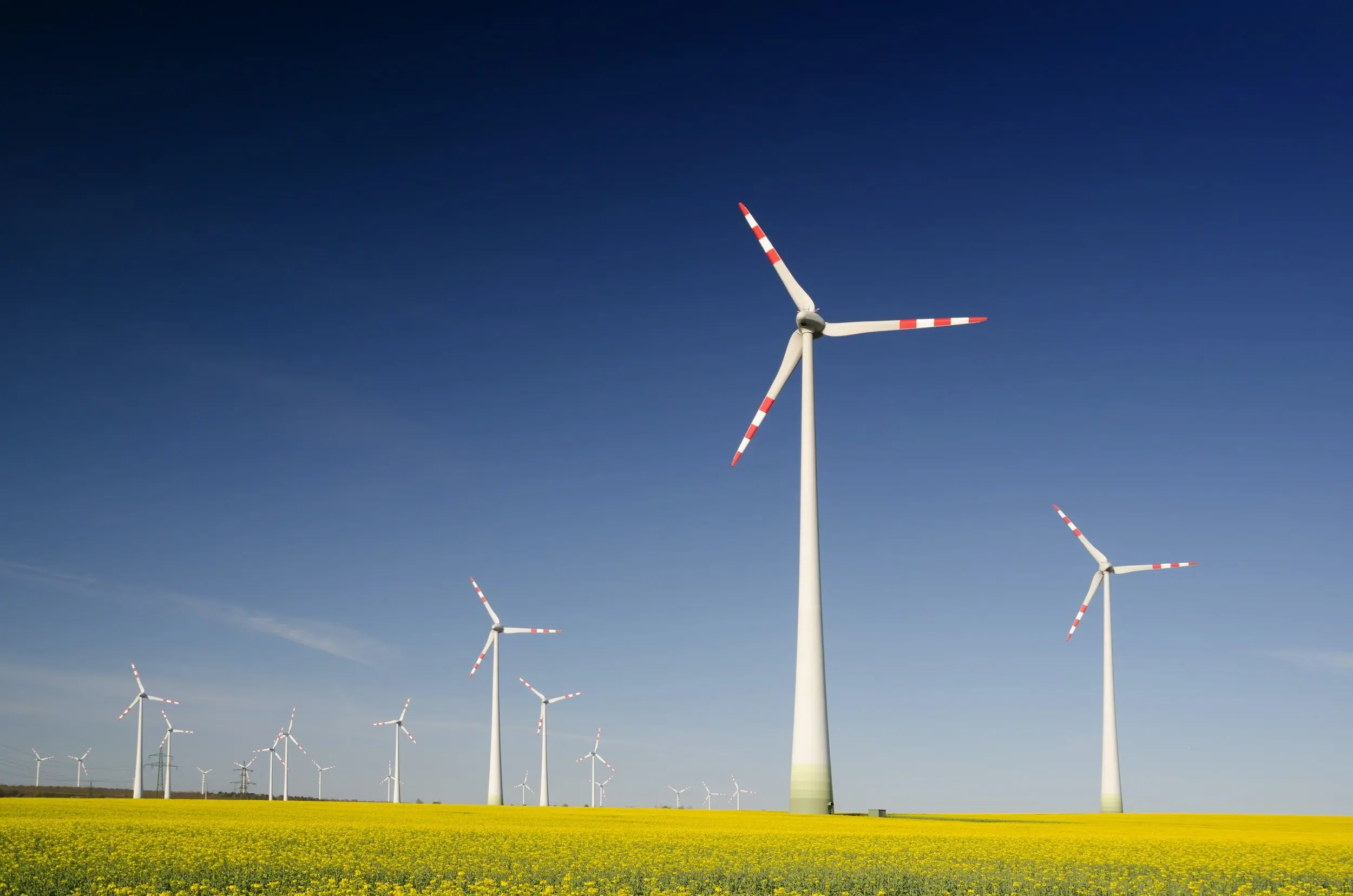
It’s hard to miss the news on renewables and other clean energy technologies today, which has ranged from unprecedented cost reductions to investments in new multibillion dollar renewable and hydrogen plants, electric vehicles, and commitments to decarbonize.
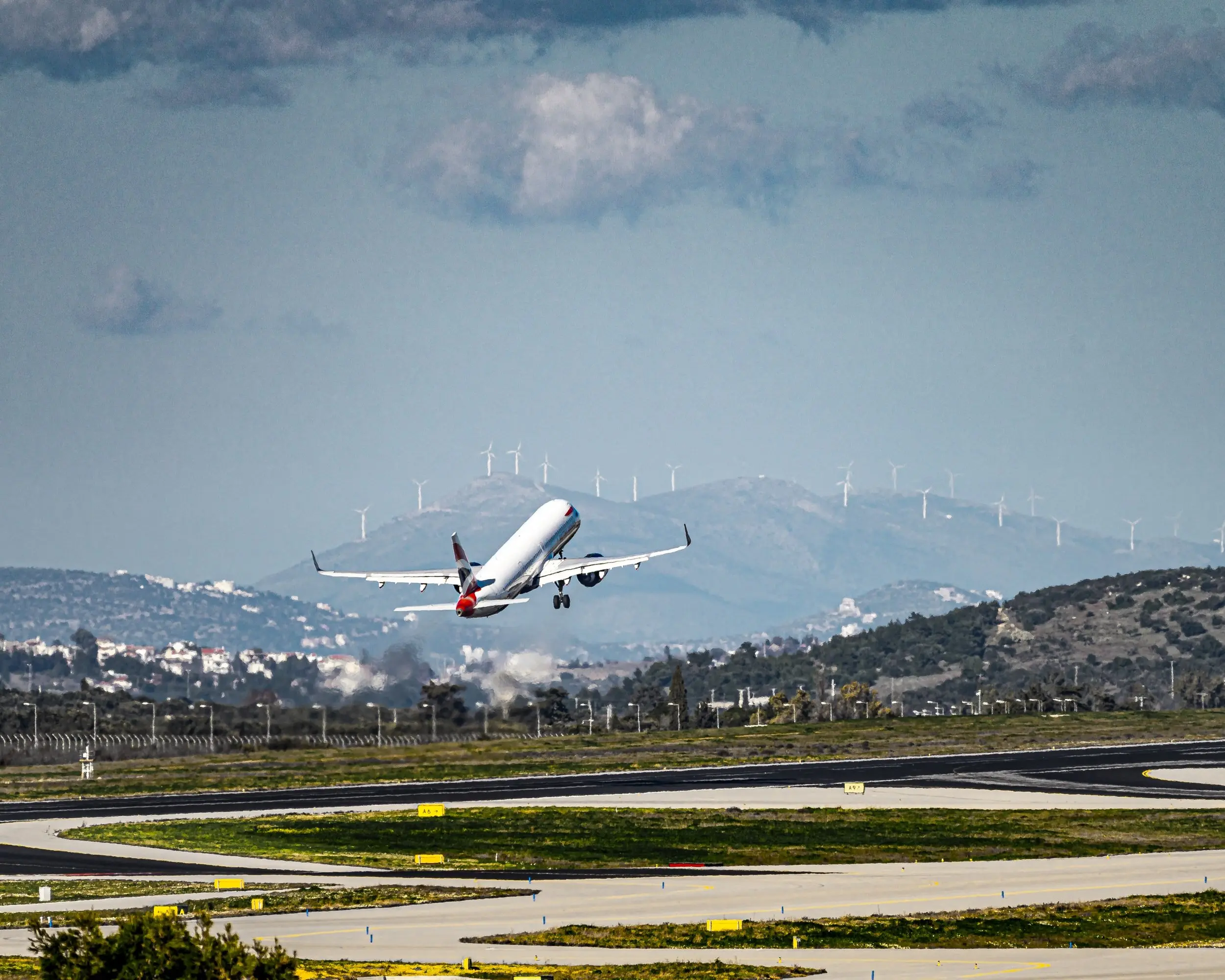
It is telling that COVID-19 is not the biggest challenge that the aviation industry currently faces. The long-term effects are uncertain, but some analysts believe that the aftershock of the pandemic will persistently reduce aviation demand growth. Nevertheless, COVID did not challenge the basic foundations of the passenger aviation industry. Climate change does.
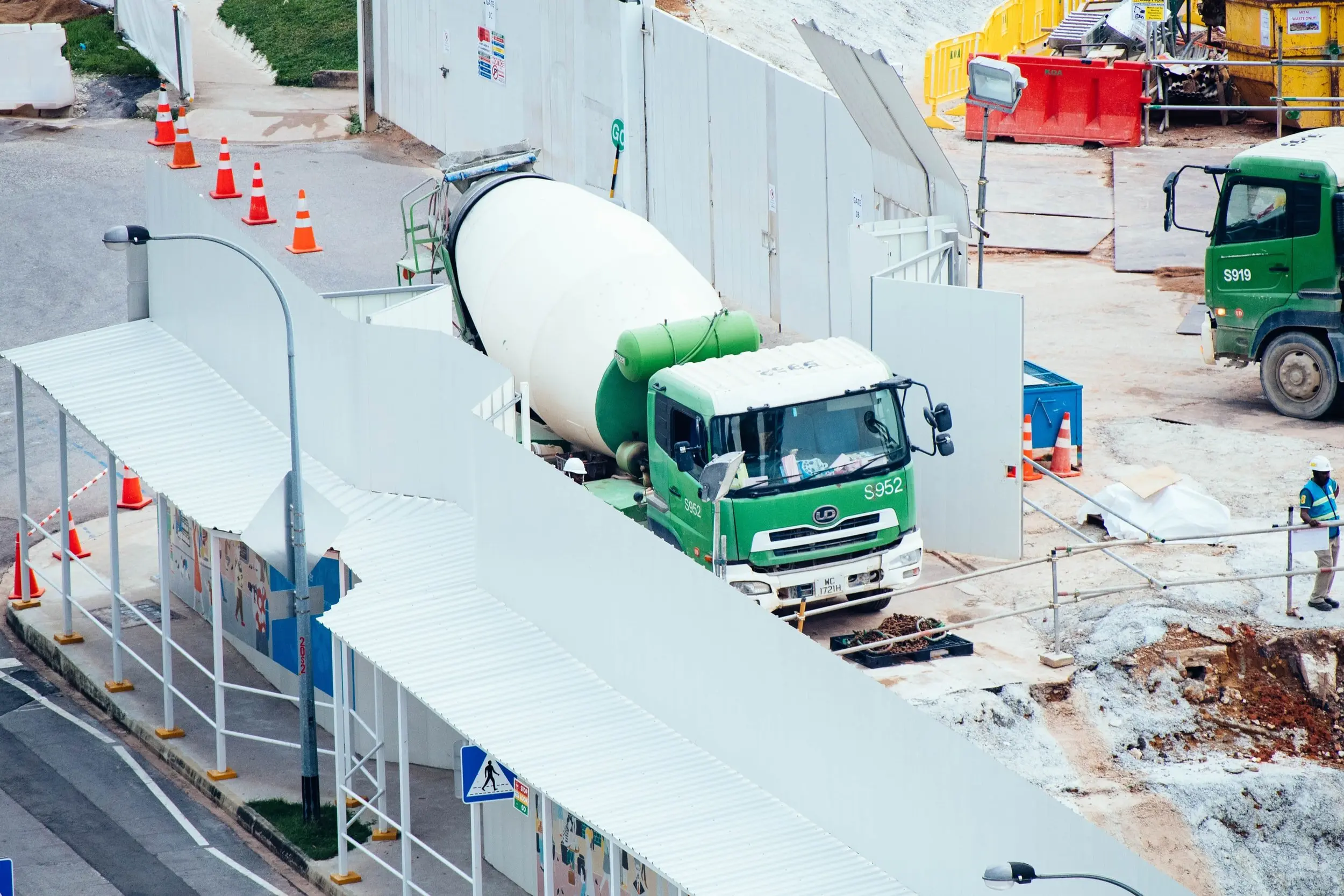
Concrete is second only to water as the most consumed substance in the world. The cement industry accounts for approximately 8% of global carbon dioxide emissions. Building our world’s living spaces and infrastructures destroys our environment and kills our chance at a future.

Climate change has already impacted the way we live, how we do business, and more. Fighting it is an existential imperative — and investing in food waste reduction solutions is a core approach for doing so.
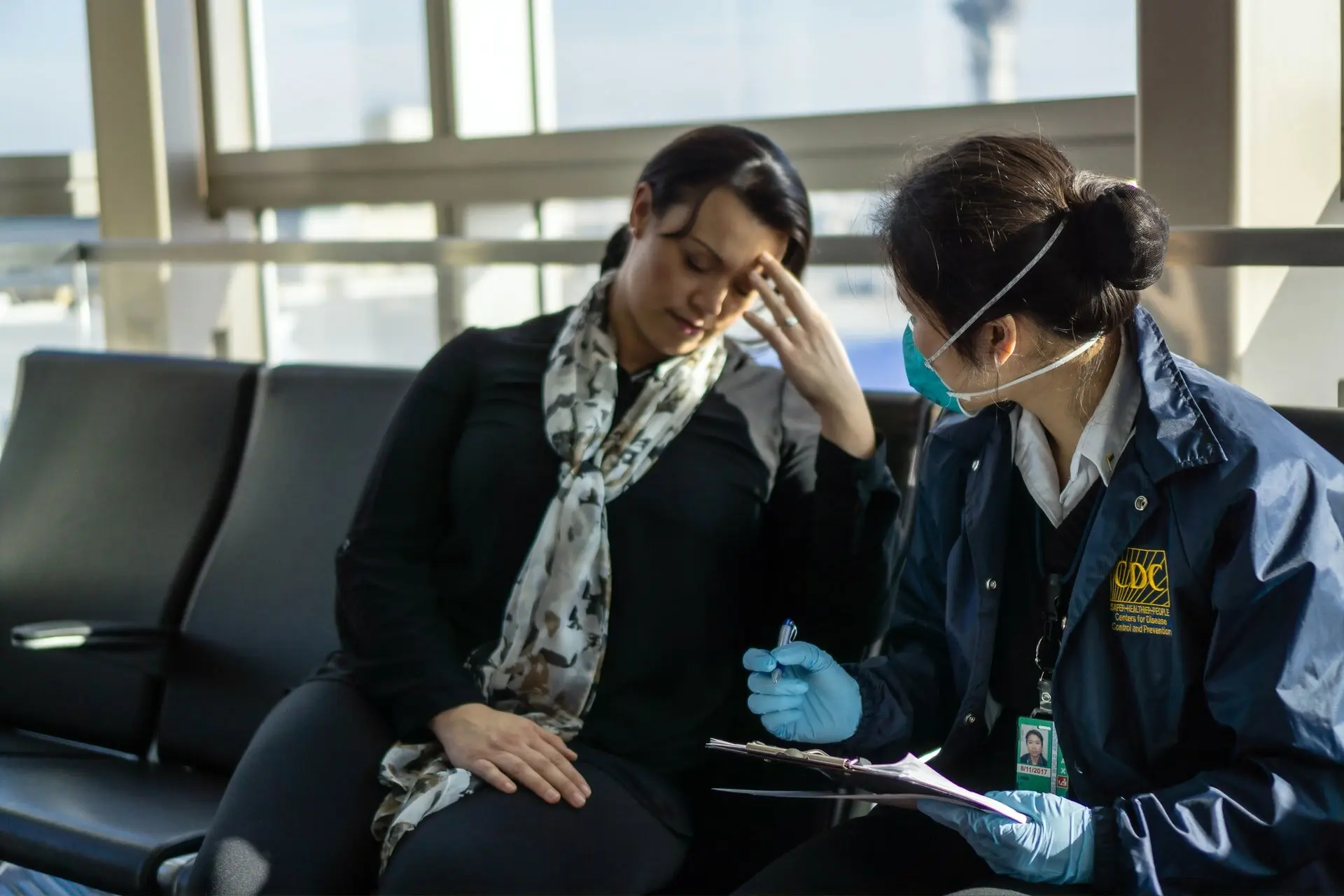
As we enter the fourth consecutive quarter of the coronavirus pandemic — which has brought with it over one million deaths and 40 million infected people worldwide — COVID-19 fatigue has spread nearly as rapidly as the virus itself.